
Call us now :08045802901
 Send Inquiry
 Send Inquiry
Agricultural Mulching Film
Agricultural Mulching Film Specification
- Product Name
- Agricultural Mulching Film
- Material
- LDPE (Low Density Polyethylene)
- Product Type
- Mulching Film
- Film Length
- 400 Meter (Standard Roll)
- Film Thickness
- 20-150 Microns
- Film Width
- 1 Meter to 1.5 Meter
- Hardness
- Soft / Flexible
- Transparency
- Opaque
- Use
- Agricultural and Horticultural Mulching
- Color
- Black, Silver, White, Transparent
- UV Resistance
- Yes
- Life Span
- Up to 18-24 months outdoor
- Biodegradable
- No
- Water Proof
- Yes
- Packaging Type
- Roll
- Perforation
- Available (Customized)
- Surface Finish
- Smooth
- Width Tolerance
- 2% from standard width
- Tear Resistance
- High
Agricultural Mulching Film About
Being an expert manufacturer, exporter and supplier in the domain, our organization is dedicated in bringing forth Mulching Film. This film is manufactured with the aid of innovative techniques using supreme quality raw materials under the strict control of our dexterous professionals. The offered film is widely used all over the world in order to manage the nurturing crops by boosting moisture conditions. Additionally, we offer this Mulching Film to our patrons in various finishes, sizes and thicknesses at pocket friendly prices.
Features:
- Reduction in soil compaction
- Highly flexible
- Optimum strength
- Impermeable to water, moisture and heat
Highly Durable Mulching Solution
The Agricultural Mulching Film is engineered for superior durability and protection in diverse climatic conditions. Its outstanding UV resistance and high tear strength ensure long-lasting reliability, even under direct sunlight and mechanical stress. This robust film is suitable for both large-scale commercial farms and smaller horticultural plots, offering flexibility, waterproofing, and customizable perforation to suit different crop requirements.
Enhanced Crop Yield and Water Conservation
This mulching film retains soil moisture, suppresses weed growth, and stabilizes soil temperature, contributing to healthier root systems and improved crop yields. The waterproof, opaque design curbs evaporation, reduces irrigation needs, and enhances overall plant productivity. Farmers benefit from reduced labor and maintenance costs while achieving optimal growth conditions throughout the growing season.
Broad Customization for Varied Applications
Available in a thickness range of 20150 microns and widths of 1 to 1.5 meters, the film can be tailored with specific perforations and colors to align with unique agricultural needs. Whether growing vegetables, fruits, or ornamental plants, distributors, exporters, and traders in India can source these rolls to match the diverse demands of their customers.
FAQs of Agricultural Mulching Film:
Q: How should the Agricultural Mulching Film be installed for maximum effectiveness?
A: To achieve the best results, the film should be laid smoothly and tightly over prepared soil beds, ensuring full contact with the surface. Customized perforations can be added for specific crops to facilitate planting. Secure the film edges with soil or pegs to prevent wind uplift and allow irrigation access as needed.Q: What are the main benefits of using this UV-resistant mulching film in agricultural practices?
A: The film greatly reduces weed growth, minimizes soil moisture loss, maintains consistent soil temperature, and protects crops from UV radiation. These advantages translate into increased crop yield, healthier plants, and reduced labor requirements for weeding and irrigation.Q: When is the ideal time to apply mulching film in the field?
A: Applying the film just before or after planting ensures optimal soil warmth and moisture retention for seed germination and plant establishment. Early installation helps in early weed suppression and thorough preparation for the growing season.Q: Where can these mulching films be used effectively?
A: These films are widely suitable for a range of environments, including open agricultural fields, greenhouses, and horticultural settings where soil and crop protection is essential. The flexible width and length options allow adaptation to both small and large plots.Q: What is the process for customizing perforations in the film?
A: Perforation customization is available during manufacturing and can be tailored to the crop type and planting distance. Customers can specify hole size, shape, and spacing to suit particular planting requirements, optimizing ease of use and plant growth.Q: Is this film biodegradable, and how should it be disposed of after use?
A: This mulching film is made from LDPE and is not biodegradable. After its 18-24 month service life, it should be collected and disposed of in accordance with local plastic recycling or waste management guidelines to minimize environmental impact.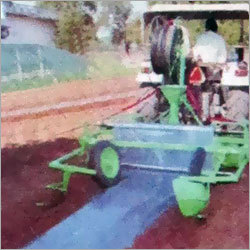
Tell us about your requirement

Price:
Quantity
Select Unit
- 50
- 100
- 200
- 250
- 500
- 1000+
Additional detail
Mobile number
Email

More Products in Mulching Films Category
Plastic Mulching Film
Color : Black / Silver / White
Film Length : 100 meters/roll to 400 meters/roll
Film Width : 1 meter to 4 meters
Material : Other , Polyethylene (PE)
Product Name : Plastic Mulching Film
Transparency : Other, Opaque / Semitransparent

 Send Inquiry
Our Products

Shop No-615, (Pul Mithai), Shivaji Road, Azad Market, Delhi - 110006, India

Mr Lokesh Bansal
(Director)
Mobile :08045802901
 Send Inquiry
 Send SMS
Developed and Managed by Infocom Network Private Limited.
